
Understanding the basics of gambling for beginners What to know before you start
What is Gambling?
Gambling is the act of risking money or valuables on an uncertain outcome, usually associated with games of chance. It encompasses a variety of activities, including casino games, sports betting, and lotteries. The primary allure of gambling lies in the potential to win money, but it is essential to understand that the odds are often not in favor of the player. By exploring platforms like https://slotzania.nz/, beginners can make more informed choices and manage their expectations when participating in such activities.

At its core, gambling combines skill, chance, and psychology. While some games, like poker, require strategy and a keen understanding of opponents, others, such as slot machines, rely entirely on luck. Beginners should recognize the importance of choosing the right games to align with their comfort levels and skills. Moreover, understanding the legal framework governing gambling in your jurisdiction is crucial, as laws can vary significantly from one location to another.
Additionally, gambling often brings social aspects into play. Many people enjoy the camaraderie found in casinos or online platforms, where interaction with other players can enhance the experience. However, it’s vital to approach this social environment with caution, as peer pressure can lead to irresponsible betting behaviors. Establishing a clear understanding of what gambling entails lays the groundwork for a more enjoyable and responsible experience.
Types of Gambling
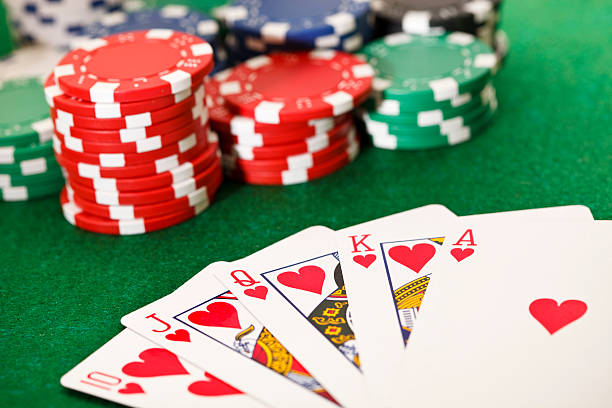
Gambling takes many forms, each offering unique experiences and challenges. One of the most common types is casino gambling, which includes popular games like blackjack, roulette, and poker. Casino games can be played either in physical establishments or through online platforms. Each game has its own rules and strategies, requiring players to familiarize themselves with the intricacies to enhance their chances of winning.
Another popular form is sports betting, where individuals wager on the outcome of sporting events. This type of gambling requires an understanding of the sport itself, player statistics, and current form, making it more strategic than some other forms of gambling. Bettors must assess risks carefully, as unexpected outcomes can lead to significant financial loss.
Lotteries and scratch cards represent a simpler form of gambling, appealing to those who prefer quick, straightforward games. While the odds are often less favorable, the allure of life-changing jackpots can be enticing. Beginners should consider which types of gambling resonate with them and align with their interests, as this can significantly enhance their overall experience.
Understanding Odds and House Edge
One of the most critical aspects of gambling that beginners must grasp is the concept of odds. Odds are mathematical representations of the likelihood of winning, which can vary widely depending on the game. For instance, games like blackjack and poker have better odds for players compared to games like slots, where the house edge is significantly higher. Understanding these odds can help beginners make smarter bets and manage their bankroll more effectively.
The house edge refers to the percentage advantage that the casino has over the player in any given game. This edge ensures that, over time, the casino will always make a profit. Beginners should be aware of the house edge in the games they choose to play, as it can significantly affect their long-term success. Knowing the odds allows players to set realistic expectations and engage in responsible gambling practices.
Additionally, it’s essential to recognize that gambling is not a guaranteed way to make money. Many individuals mistakenly believe that they can develop strategies to beat the house edge, but the reality is that luck plays a substantial role. Understanding both odds and the house edge equips beginners with the knowledge needed to approach gambling responsibly and with a realistic mindset.
Bankroll Management
Effective bankroll management is a cornerstone of responsible gambling. Beginners should establish a budget before they begin gambling, determining how much money they can afford to lose without impacting their financial stability. This budget should be strictly adhered to, and players should resist the temptation to chase losses by spending more than they can afford. Setting limits helps ensure a more enjoyable experience and reduces the risk of developing gambling-related issues.
Another essential aspect of bankroll management is understanding the importance of betting strategies. Players should be mindful of how much they wager on each bet and seek to balance high-risk bets with more conservative ones. Many successful gamblers adopt a strategy that involves staking a small percentage of their total bankroll on each game, allowing them to withstand potential losses while still enjoying the thrill of the game.
It’s also beneficial to track wins and losses meticulously. By keeping records, players can gain insights into their gambling habits and make informed adjustments to their strategies. This practice not only aids in better bankroll management but also fosters self-awareness, which is crucial for responsible gambling. A well-managed bankroll can enhance the gaming experience and prolong the enjoyment of gambling activities.
Gambling Responsibly and Seeking Help
As exciting as gambling can be, it also comes with risks that must not be overlooked. Gambling responsibly is crucial for maintaining a healthy relationship with this activity. Beginners should recognize the signs of problematic gambling behavior, such as losing track of time, neglecting responsibilities, or experiencing emotional distress linked to gambling activities. Understanding these signs can help individuals identify when it might be time to take a step back.
Many resources are available for those who may find themselves struggling with gambling issues. Support groups, counseling, and hotlines are excellent avenues for seeking help. Furthermore, educating oneself about responsible gambling practices can empower beginners to make better decisions. Awareness of available resources can make a significant difference for individuals who may need assistance.
Setting personal limits is a straightforward yet effective way to promote responsible gambling. This includes not only financial limits but also time constraints. Establishing a specific timeframe for gambling sessions can prevent excessive play. Remembering that gambling should be a form of entertainment, rather than a means to solve financial problems, is vital in maintaining a healthy approach to this activity.
Getting Started at Slotzania
For beginners ready to embark on their gambling journey, Slotzania offers an excellent platform to explore various games and experiences. With thousands of modern slots and classic table games available, players can enjoy a wide selection tailored to their interests. Slotzania’s user-friendly interface makes it easy for newcomers to navigate the site and find games that suit their preferences.
New users can take advantage of enticing welcome bonuses, including generous first deposit boosts and free spins. These promotions provide a great opportunity to explore different games without the need to wager significant amounts of personal funds initially. Additionally, Slotzania emphasizes customer support, ensuring that players can seek assistance whenever needed. Their dedicated team is available around the clock to address any inquiries or concerns.
Moreover, Slotzania prioritizes player safety and security, implementing strict measures to protect user data and funds. By offering a tiered VIP program, players can enjoy added benefits and rewards as they progress. Joining Slotzania not only promises an exciting gaming adventure but also provides the tools and support necessary for a responsible and enjoyable gambling experience.